How to Choose a WordPress Development Agency
At some point, running a website or online store on WordPress, you’ll probably hit a wall where you need more help than you can handle yourself. Maybe you need a custom design built, a complex feature added, or your site migrated somewhere new. That’s usually when people start looking into hiring a WordPress development agency.
But here’s the thing, there are a lot of agencies out there, and they’re definitely not all the same. Some are fantastic, some are mediocre, and some will genuinely leave you worse off than when you started. So let’s walk through exactly how to choose the right one, without wasting your time or money in the process.
Why Hiring the Right Agency Matters So Much
Before jumping into how to choose, let’s quickly cover why this decision deserves real thought.
Your website is often the first impression potential customers have of your business. A poorly built or poorly maintained site can hurt your credibility, your sales, and even your search rankings. On the flip side, a well built site can genuinely grow your business over time.
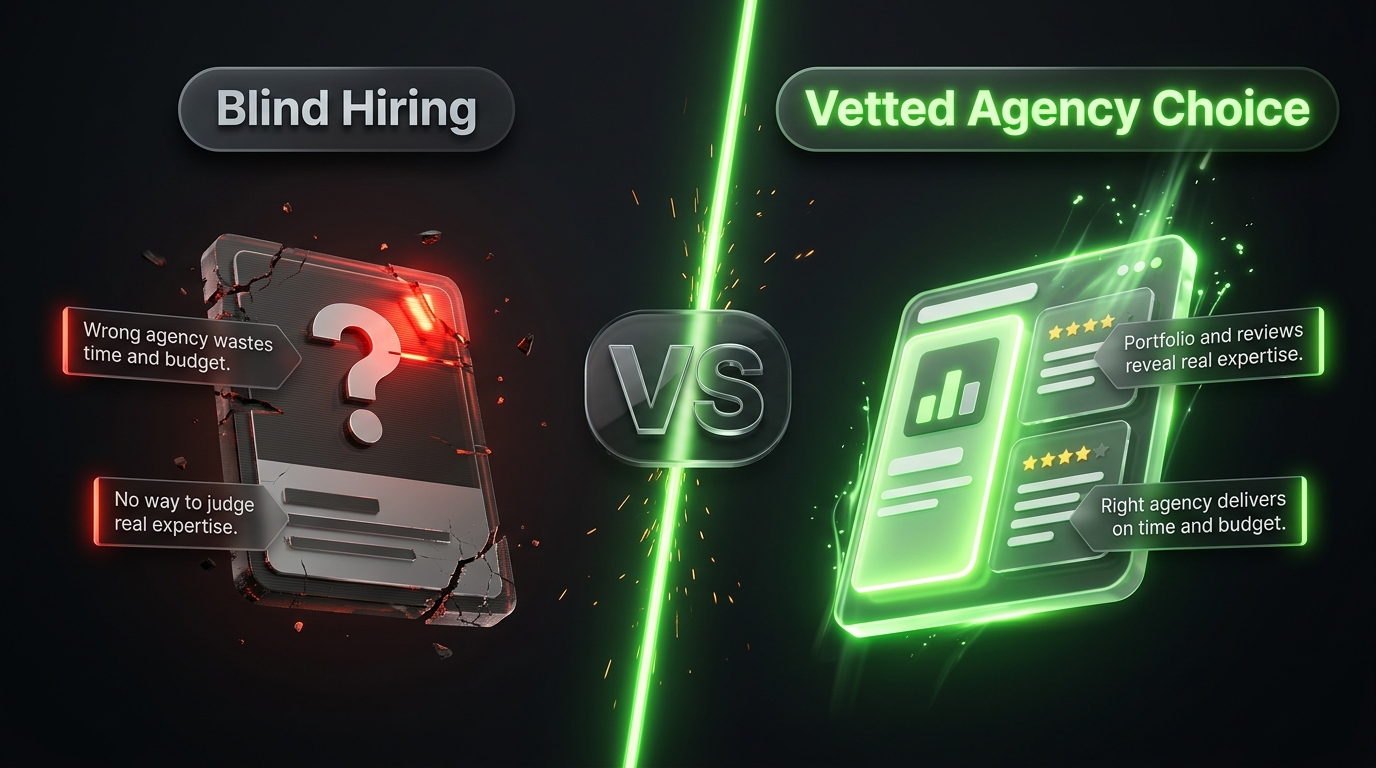
Hiring the wrong agency can mean wasted money, missed deadlines, security vulnerabilities, or a website that looks nice but doesn’t actually function well. Hiring the right one means a smoother process, a better end result, and often, an ongoing relationship you can rely on as your needs grow.
Step 1: Get Clear on What You Actually Need
Before reaching out to any agency, take some time to clarify exactly what you’re looking for. This helps you communicate clearly, and also helps you evaluate whether a given agency is actually a good fit.
Ask yourself:
- Do I need a brand new website built from scratch, or help with an existing one?
- Am I looking for design work, development work, or both?
- Do I need ongoing maintenance and support, or just a one time project?
- Is this for a simple business website, or a more complex ecommerce store?
- What’s my realistic budget and timeline?
Having clear answers to these questions makes the rest of this process significantly easier.
Step 2: Look at Their Portfolio Carefully
Almost every agency will show you a portfolio of past work, but don’t just glance at pretty screenshots. Dig a little deeper.
Visit the actual live websites, not just the screenshots on their portfolio page. Check how the site performs, how it loads, and how it functions on both desktop and mobile.
Look for relevant experience. If you need an ecommerce store, look specifically for WooCommerce projects in their portfolio, not just general WordPress websites.
Check for variety and quality consistency. A good agency should show consistently solid work across multiple projects, not just one or two standout examples.
If an agency’s portfolio feels thin, outdated, or doesn’t include anything similar to what you’re looking to build, that’s worth taking note of.
Step 3: Read Reviews and Testimonials Carefully
Client reviews can offer valuable insight, but it helps to read them critically rather than just glancing at star ratings.
Look for reviews on independent platforms like Google, Clutch, or Trustpilot, rather than relying solely on testimonials the agency has chosen to display on their own website.
Pay attention to:
- Comments about communication and responsiveness
- Whether projects were completed on time and within budget
- How the agency handled problems or unexpected issues
- Long-term satisfaction, not just initial impressions right after launch
A pattern of similar complaints across multiple reviews is a much stronger signal than a single negative review here and there.
Step 4: Ask About Their Development Process
A professional agency should have a clear, structured process for handling projects, rather than a vague, disorganized approach.
Some good questions to ask:
- What does your typical project timeline look like?
- How do you handle communication throughout the project? Regular updates, dedicated project manager, etc.?
- Do you build on staging environments before going live?
- How do you handle revisions or changes during the project?
- What happens if the project runs into unexpected delays?
Clear, confident answers to these questions suggest an agency with real experience managing projects smoothly. Vague or evasive answers might be a red flag.
Step 5: Evaluate Their Technical Expertise
Since you’re specifically looking for WordPress expertise, it’s worth digging a bit deeper into their technical capabilities.
Ask about:
Custom development capabilities. Can they build custom themes or plugins if needed, rather than relying entirely on pre made solutions?
Security practices. How do they handle website security, both during development and afterward?
Performance optimization. Do they have experience optimizing sites for speed, especially important for ecommerce stores?
WooCommerce experience specifically, if you’re building or maintaining an online store, since this requires somewhat specialized knowledge beyond general WordPress skills.
If their answers feel generic or they seem unfamiliar with more technical aspects, that could indicate limited hands-on development experience.
Step 6: Discuss Ongoing Support and Maintenance
Websites aren’t a “build it once and forget about it” kind of project. Plugins need updates, security needs monitoring, and issues can pop up over time.
Ask potential agencies:
- Do you offer ongoing maintenance packages after the initial project is complete?
- What does that maintenance actually include? Updates, backups, security monitoring, minor content changes?
- What happens if something breaks after launch? Is there a support guarantee or response time commitment?
- Are there additional costs for post-launch support, and how are those structured?
Some agencies only focus on the initial build and don’t offer much ongoing support, which might be fine if you have someone else handling maintenance, but could leave you stranded if something goes wrong later and you have nowhere to turn.
Step 7: Understand Their Pricing Structure
Pricing can vary significantly between agencies, and it’s important to understand exactly what you’re paying for.
Fixed price projects give you a set cost upfront for a clearly defined scope of work. This works well if your requirements are clear and unlikely to change much.
Hourly billing can work well for ongoing work or projects where requirements might evolve over time, but it requires more trust and clear communication to avoid unexpected costs.
Retainer agreements involve paying a set monthly fee for ongoing work or support, often used for long term maintenance relationships.
Whatever pricing model an agency uses, make sure you get a clear, detailed quote in writing, including what’s included and what might cost extra, before committing to anything.
Step 8: Watch Out for Red Flags
A few warning signs to watch for when evaluating potential agencies:
Prices that seem too good to be true. Extremely low prices often mean cut corners, outsourced work with little oversight, or hidden costs that appear later.
Poor communication during the sales process. If they’re slow to respond or vague before you’ve even signed a contract, this often gets worse, not better, once the project actually starts.
No clear contract or scope of work. Always insist on a written agreement outlining exactly what’s included, timelines, and costs.
Reluctance to share past client references. A confident, experienced agency should have no problem connecting you with past clients if asked.
Overpromising unrealistic results. Be cautious of agencies promising guaranteed rankings, guaranteed sales numbers, or unrealistic timelines for complex projects.
Step 9: Start with a Smaller Project If Possible
If you’re unsure about committing to a large project right away, consider starting with something smaller first, like a minor feature addition or a small design update, rather than jumping straight into a complete website rebuild.
This gives you a chance to evaluate their communication, quality of work, and reliability with lower stakes, before committing to a bigger, more expensive project.
Step 10: Trust Your Overall Impression
Beyond all the practical questions and research, pay attention to your overall gut feeling throughout the process.
Do they listen carefully to what you actually need, or do they seem more focused on pushing their own agenda? Do they explain things clearly, or leave you confused with excessive jargon? Do you feel like a valued client, or just another number in their pipeline?
These softer signals often end up mattering just as much as the technical qualifications, especially since you’ll likely be working closely with this agency throughout the project, and potentially for ongoing support afterward.
Questions to Ask Before Signing Any Contract
Before finalizing your decision, make sure you have clear answers to:
- What’s included in the total project cost, and what might cost extra?
- What’s the expected timeline, and what happens if it runs over?
- Who owns the website and its code once the project is complete?
- What happens if I’m not satisfied with the final result?
- Is there a warranty period for fixing bugs after launch?
- What’s your process if I want to make changes partway through the project?
Getting clear, written answers to these questions upfront can save you significant headaches later on.
Common Mistakes to Avoid
Choosing based on price alone. The cheapest option often ends up costing more in the long run through poor quality or hidden fees.
Skipping the contract details. Always get a clear, written agreement before starting any work.
Not checking real client reviews. Don’t rely solely on testimonials the agency has hand-picked for their own website.
Ignoring communication red flags early on. If communication feels off during the sales process, it’s unlikely to improve once you’re a paying client.
Forgetting about long-term support needs. Think beyond just the initial launch, and consider who will help maintain your site afterward.
Final Thoughts
Choosing the right WordPress development agency takes a bit of research and patience, but it’s absolutely worth the effort. Take your time, ask plenty of questions, check real reviews, and trust your instincts throughout the process.
The right agency should feel like a genuine partner in your project, not just a vendor completing a transaction. Someone who communicates clearly, understands your specific needs, and stands behind their work, both during the project and afterward.
Don’t rush this decision. A little extra time spent choosing carefully now can save you significant stress, money, and frustration down the road.